


Storm season can turn small electrical issues into big problems. Strong winds can knock lines down. Heavy rain can soak weak outdoor connections. A short outage may be just annoying, but it can also lead to spoiled food, dead sump pumps, and no heat or cooling. It can also create safety risks, like live wires on the ground or water getting into outdoor outlets. Underground wiring is one way homeowners reduce these risks. It does not make your home “outage-proof,” but it can lower the chance that your outdoor power fails when storms hit. It can also help keep your yard, garage, or shed circuits safer and more stable.
Why Storms Knock Out Aboveground Lines So Often
Aboveground lines sit right where storms hit hardest. Wind pushes trees and limbs into wires. Ice adds weight, then lines sag or snap. Flying debris can pull on a connection point and break it. Even if the line does not break, a loose connection can cause flickering and heat. That heat can damage insulation over time. Then, the next storm finishes the job.
Common storm causes of outages include:
Tree limbs rubbing or falling onto lines
Poles leaning from soft, wet ground
Connections are loosening from repeated wind movement
Damage from ice load and fast temperature swings
Another issue is the “chain effect.” One failure can shut off power to several homes on the same path. Utility crews often need clear access before they can fix it, and storms can block roads.
How Underground Wiring Reduces Wind And Debris
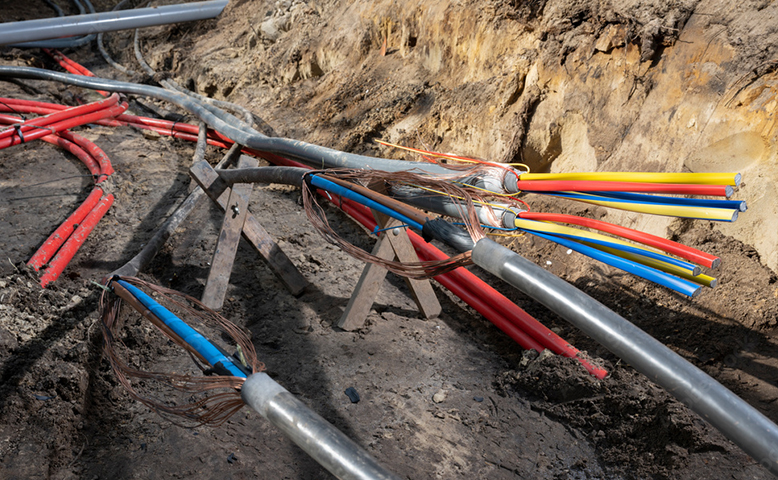
Underground wiring removes a major storm threat: moving air and falling objects. When wires are buried at the right depth and protected the right way, they are not exposed to wind, ice, or branches. That can be a big help for outdoor power runs, such as power to a detached garage, a shed, a gate opener, or yard lighting.
Where homeowners often see the biggest benefit:
Long runs to garages, shops, and sheds
Power for outdoor outlets and patio areas
Low-voltage landscape lighting that keeps tripping
Lines near trees that drop branches in storms
It also reduces one common safety problem during storms, downed wires. A buried run is less likely to become a live wire lying across a yard or driveway. That is not just about comfort. It is about keeping people and pets safer when the weather turns bad.
Design Steps That Keep Underground Wiring Dry
Water is the biggest long-term problem underground. Rain can soak soil for days. Flooding can fill a trench. Even normal moisture can work its way into boxes and conduit if the installation is sloppy. Good underground wiring plans treat water like it will show up, because it will.
Keep water from becoming a fault:
A smart design helps water drain away from wiring paths. It also uses parts rated for wet locations. Splices must be made in approved boxes, not buried loose in soil. If a connection must be underground, it needs an approved underground splice kit made for that use.
Practical steps that help a lot:
Use weather-rated boxes and fittings outdoors
Keep junction points above grade when possible
Seal entries where cables enter boxes
Avoid low “traps” where the conduit can hold water
Use GFCI protection for outdoor circuits
If water gets into a weak connection, it can trip breakers, corrode metal, and cause repeated outages in just that one circuit.
Safe Burial Depths That Meet Common Code
Depth is not just a “nice to have.” It protects wiring from shovels, edging tools, fence posts, and future landscaping. It also helps keep the wiring stable as the soil shifts. The exact depth depends on the wiring method, location, and protection used. Many homeowners hear one number and assume it fits all jobs. It does not. In many common cases, conduit-buried wiring is often installed deeper than a direct-bury path, but local rules and the exact setup can change what is allowed. Also, driveways and areas with vehicle traffic usually need more cover than a garden bed.
Why correct depth matters:
Reduces the chance of accidental cuts during digging
Lowers physical stress on cable and conduit
Helps protect against frost movement in some areas
Supports safer repairs later, if needed
Always follow local requirements, permits, and inspection rules, because they can be stricter than the baseline code.
What Materials Work Best For Underground Runs
The “right material” depends on the job. A short run to a shed is not the same as a long run to a workshop with heavy tools. Still, the basics stay the same: use wiring rated for wet locations, protect it from damage, and avoid cheap parts that crack or leak.
Conduit or direct-bury cable:
Conduit adds protection and makes future wire replacement easier.
Direct-bury cable can be simpler for some runs, but it must be rated for burial and installed at the right depth.
Wire types and protection:
Wires pulled through conduit are often rated for wet locations, since underground conduit can hold moisture. Outdoor circuits also benefit from GFCI protection. In some cases, AFCI protection may be required depending on the circuit and local rules.
Other helpful add-ons:
A whole-home surge protector to reduce storm surge damage
Proper grounding and bonding for outdoor metal parts
Weatherproof “in-use” covers for outdoor outlets
Planning Tips Before You Dig Or Upgrade
Most underground wiring problems start before the digging even begins. Planning reduces rework, cost surprises, and safety risks. First, call 811 so utility lines can be marked. Hitting a gas line or fiber line is a serious hazard, and it can also be expensive. Next, plan the load. If you want power for a freezer, tools, or an EV charger, the circuit size and wire size matter.
Before you start, plan these basics:
Where the trench will run and where it will exit
What the circuit will power now and later
Where shutoffs and outlets should be placed
How will you protect outdoor outlets from rain
Also, think about outage plans. If outages are common in your area, ask an electrician about safe backup options like a transfer switch or an interlock kit for a portable generator. These help prevent backfeed, which can be deadly to utility workers.
Conclusion:
Underground wiring can reduce storm-related failures by keeping key runs protected from wind, ice, and falling debris. It also helps outdoor circuits stay steadier when the weather gets rough. Still, good results depend on smart planning, correct depth, water control, and the right materials. If you want to upgrade outdoor power or fix repeated storm-time trips, Bay Area SpotLight Electric can help you plan and install underground wiring the safe way. A well-built setup can lower hassle, improve safety, and keep your outdoor power more reliable when storms return.